

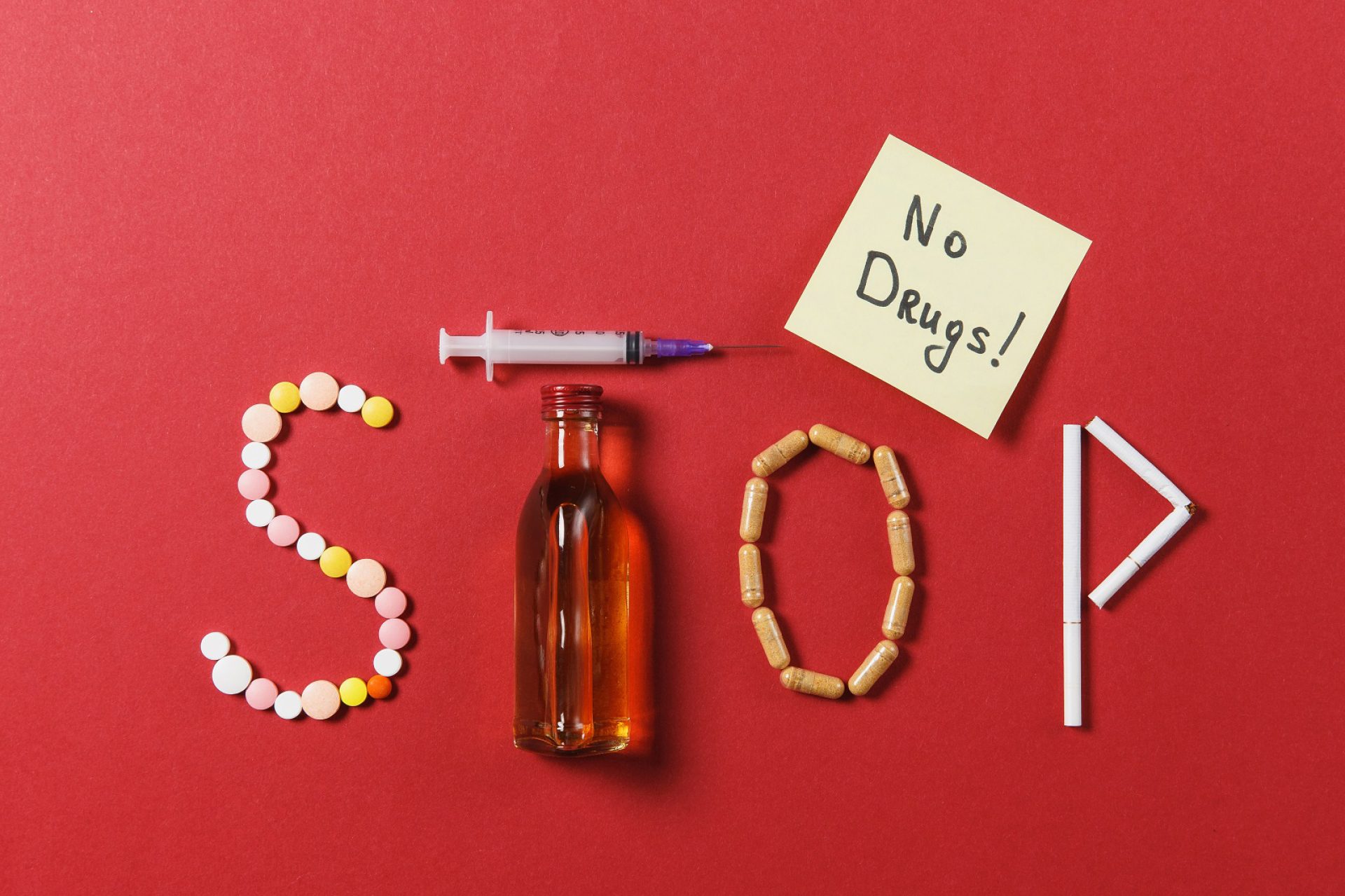
Drug Addiction- “If you can Quit for a Day, you Can Quit for a Lifetime”
Nadeesha Widanapathirana | October 22, 2025 | 2 Min Read
Drug addiction or substance use disorder affects the user’s brain and behaviour, adversely disrupting his/her whole lifestyle. Alcohol, heroin, cannabis, methamphetamine, LSD, and nicotine are mostly used dangerous drugs.
Drug addiction usually begins with the experimental use in social settings. However, such use becomes worse once a person builds a tolerance towards the consumption of larger doses of drugs the habitual drug use ultimately leads to drug addiction.
Drug addiction can cause many physical and psychological problems to the user. At the same time, drug overdose can cause mental stress and fatalities.
Adverse Effects of Drug Addiction
- Cardiovascular disease
- Contraction of HIV, hepatitis and other illnesses
- Heart attack
- Respiratory problems such as lung cancer, emphysema, and breathing problems
- Abdominal pain, vomiting, constipation, diarrhea
- Kidney and liver damage
- Seizures, stroke, brain damage
- Changes in appetite, body temperature, and sleeping patterns
- Pancreatitis, Gastrointestinal problems
- Malnutrition
- Insomnia and sleep disorders
Warning Signs of Drug Addiction
- Impaired control– Intense craving to use drugs, failed attempts to control or stop taking drugs
- Physical Health Problems– Lack of energy and motivation, weight loss or gain, or red eyes
- Neglected Appearance– Lack of interest in grooming, clothing and poor hygiene
- Financial issues – Inability to manage lifestyle with income generated wasteful expenses
- Social problems– Failure to complete responsibilities at work, school, home and social settings
- Withdrawal symptoms – Anxiety, irritability, tremors, nausea, vomiting, fatigue, a loss of appetite
- Spending less time on hobbies- Sports, music, jogging or socialising.
Therefore, if a person encounters these symptoms, it is necessary to obtain assistance from a SUD (substance use disorder) Counsellor, Medical Practitioner, or admit into a Rehabilitation and Treatment centre to receive counselling/ treatment.
Treatments available for SUD
- Firstly, the recovery process starts with the identified person accepting that he/she has a drug problem and understanding his/her addiction. The support from friends and family can also be a concern for receiving treatment.
- Cognitive-Behavioural Therapy: Counselling can help individuals with drug use issues to understand their behaviour and motivations, develop higher self-esteem, cope with stress and address other mental health problems.
- Medical Assistance – Medications are used to control drug cravings and relieve severe symptoms of withdrawal. Treatment for co-occurring mental health issues such as depression, anxiety.
- Long term follow-up to prevent relapse/ repeat use.
Nadeesha Widanapathirana – Counsellor
MSc in Clinical & Health Psychology (UK), BSc in Psychology (USA), Diploma in Counselling & Psychotherapy.
More Blogs to Read
How to Book an Online Counselling Session on Happy Mind (Step-by-Step Guide)
So you've decided to give online counselling a try, that's a big and brave step, and we want to make sure everything that follows feels as simple and stress-free as...
Virtusa Strengthens Employee Wellbeing Through Partnership with Happy Mind
Happy Mind, Sri Lanka’s largest mental wellness solutions provider, has entered into a corporate partnership with Virtusa, reinforcing a shared commitment to supporting employee wellbeing and building healthier, more resilient...
Rocell Partners with Happy Mind to Strengthen Employee Mental Wellbeing
Happy Mind, Sri Lanka’s largest mental wellness solutions provider, has entered into a corporate partnership with Rocell, reinforcing a shared commitment to supporting employee wellbeing and building healthier, more resilient...